Understanding the Mechanics of Sitting.
Before we can establish healthy routines, we must first examine what happens to the human body during extended periods of immobility at a workstation.
Lower Body Circulation
When seated for hours, gravity and posture combine to exert continuous pressure on the pelvic region and the back of the thighs. This mechanical compression naturally limits the free flow of blood to the lower extremities.
For men, ensuring adequate vascular circulation in the lower pelvic area is a fundamental aspect of long-term wellness. Stagnation caused by sedentary habits can lead to localized tension and general discomfort.
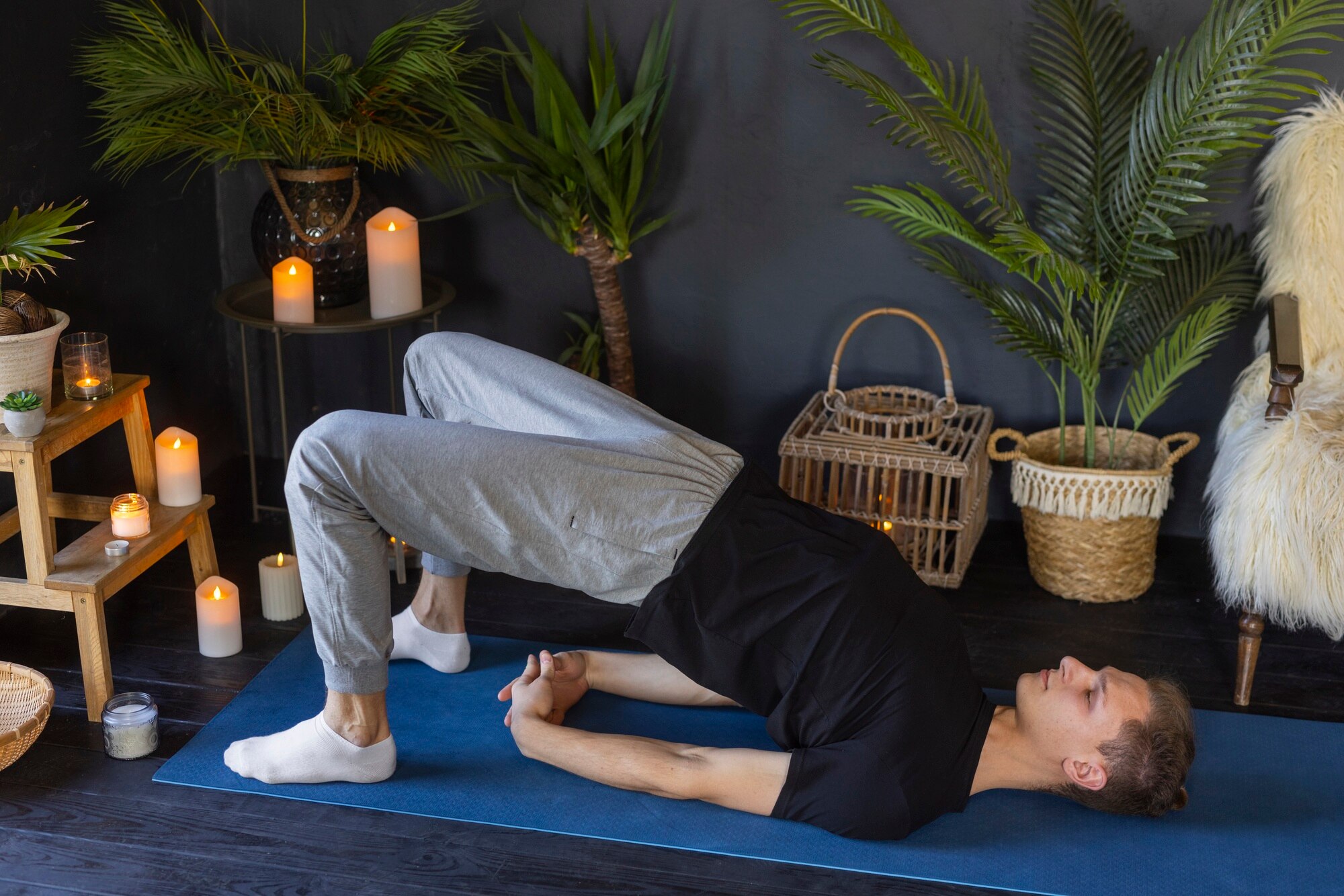
01. Tension
Muscles in the hip flexors become shortened and tight, altering the natural pelvic tilt.
02. Compression
The weight of the torso rests entirely on the ischial tuberosities (sit bones), reducing local capillary flow.
03. Stagnation
Without the muscular pump action of walking, venous return from the legs slows down significantly.
04. Fatigue
Systemic oxygen delivery decreases due to shallow breathing associated with poor desk posture.
The Importance of Posture Neutrality
Ergonomics is not just about comfort; it is about preserving structural integrity. A neutral posture ensures that the skeleton, rather than the muscles, supports the body's weight, thereby reducing the energetic cost of sitting and minimizing restrictive pressure on vital lower body areas.
Discover Implementation StrategiesNotice of Information: The biomechanical insights shared here are for general educational purposes. They do not represent medical diagnostics. If you experience chronic discomfort, pain, or specific health issues related to sitting, please consult a certified medical professional or physical therapist.